THE MA METHOD
Why personal style should be understood, not prescribed.
The Problem with Personal Styling
There is a strange contradiction in personal styling. We have never had more information about what to wear, yet still so many women stand in front of a wardrobe full of clothes and feel that they have nothing to wear. Perhaps the problem isn’t that we actually have a lack of clothes, but that we’ve been asking ourselves the wrong questions.
There are more styling systems out there than we can count. Think: seasonal colour analysis, Kibbe body typing, fruit body typing… I’m not going to list them all here, of course. Most are presented as the final puzzle piece to having great style. Many have great points to them. Then why are there still women out there wondering what to do next, still not feeling like themselves in their style, or feeling frustrated when getting ready in the morning?
That’s because most style advice out there starts with the question: ‘What looks good?’ They tell you what looks good for your complexion, your body type, or what trends will work with existing pieces in your wardrobe. Sure, some of it works. You do end up looking good. But do you end up feeling like yourself? Or more like an extended version of the stylist who recreated you?
This is where I felt there was something lacking in the industry. Clients would come to me even after trying other methods through personal stylists, AI or online. Why did they need another consultation if they had already done research or received style advice elsewhere? Because there was something still missing:
SHE was not included in the equation.
Why I created the MA Method
The MA Method starts by asking “Who are you?” and “Why does this feel right on you?” This is why I developed this method – because I believe the only way to create authentic personal style is by starting with you.
For example, two women can technically have the same ‘body type’ and wear an outfit that looks flattering, but it can still feel completely different. Two women with the same colour season will still look different in different colours and feel ‘wrong’ in others.
A woman can have a wardrobe full of beautiful clothes, even flattering ones, yet still feel that none truly reflect her. Or one can wear the trends that look great in theory, but feel completely disconnected from their identity.
This is because just knowing your colour season isn’t enough to create a wardrobe. Sure, the colour will flatter you, but what about the silhouettes, fabrics and proportions? Knowing your ‘body type’ isn’t enough to create personal style. Maybe it flatters, but what about you? You can’t tell the world your story through lines alone.
It’s almost ironic that the phrase ‘personal style’ is used so often and yet it is mostly sought after through other people’s suggestions, often presented as ‘you have to try this’ or ‘this is what you need to do’. Could it be less personal?
From my observation, the emphasis is far more on the word ‘style’ rather than the word ‘personal’. And this is what I really want to bring back into the equation. Not just what’s ‘flattering’, but what is truly you.
Let’s Talk About ‘Flattering’ for a Moment
In fact, ‘flattering’ is even an interesting topic these days. More often than not, it’s presented in a way to hide certain areas of yourself. This is really a part I hate. Yes, hate is a strong word, but that’s why I used it.
It really can have a negative effect on our self-perception, our body image and the way we talk to ourselves. Imagine getting dressed in the morning and thinking, “Ah yes, that was the advice I was given – choose the cap sleeves so it can cover up my upper arms to look narrower. That’s better. Much more flattering.”

I find it heartbreaking that we’re in 2026, almost 2027, and still being given advice to cover up certain areas of ourselves. Yes, it’s better than the ‘90s advice, but it still has the same undertone.
I wanted to get rid of this concept. This idea will never be a part of something at Miss Analyst.
In The MA Method, I want to talk about what is ‘flattering’ from the angle of highlighting your beauty, working in harmony with your unique features, proportions and body type.
Yes, we all have areas we may feel less confident in, but instead of focusing on how to cover up those areas, why not focus on how we can bring out what is unique about us? What rare beauty we have? Isn’t that a far nicer angle?
Imagine getting dressed in the morning and thinking, “Ah yes, that’s what I learned with Miss Analyst. I have beautiful rounded shoulders, so I should complement them with this soft, flowing fabric.”
Doesn’t that feel like a weight lifted off of your shoulders?
Pun not intended but kept in for comical reasons.
Style Isn’t One-Dimensional
As was mentioned earlier, simply knowing what works for your colours or your body type isn’t enough. Style, especially personal style, is so much more than that.
The MA Method uses a much more holistic approach. Personal style is at the centre of several aspects.
Your Lifestyle
Your lifestyle plays a big part in how one’s wardrobe should be organised. What you actually do day-to-day, where you go, what weather you usually encounter and how you spend your time – what you buy, keep and toss should align with all of this.
Your Visual Characteristics
Seasonal colour analysis is a great tool, and it is designed to work in harmony with and bring out your natural colouring. I use it myself in The MA Method, but of course, it is only one part of the puzzle.
Even within your colour season, there are colours that may not match your features or personality. And how does one wear colours that are not in their colour season? That is also important to understand for real life.
There’s also the silhouette of your overall look that should be considered. Let’s not forget about proportion, scale of patterns, jewellery and accessories. Everything should bring out your natural features.
Your Personality
Your personality, the vibes you give off, your mannerisms, the way you communicate – yes, the visual language should also feel authentically you.
You may have a timeless, old Hollywood look to you, but would a classic gown suit your upbeat, enthusiastic personality?
In fact, in The MA Method, you are the first thing we must consider, and your style must translate who you are as a person. This is how the style becomes personal. This is what authentic style is.
This is when someone will say about your outfit:
“That is so you.”
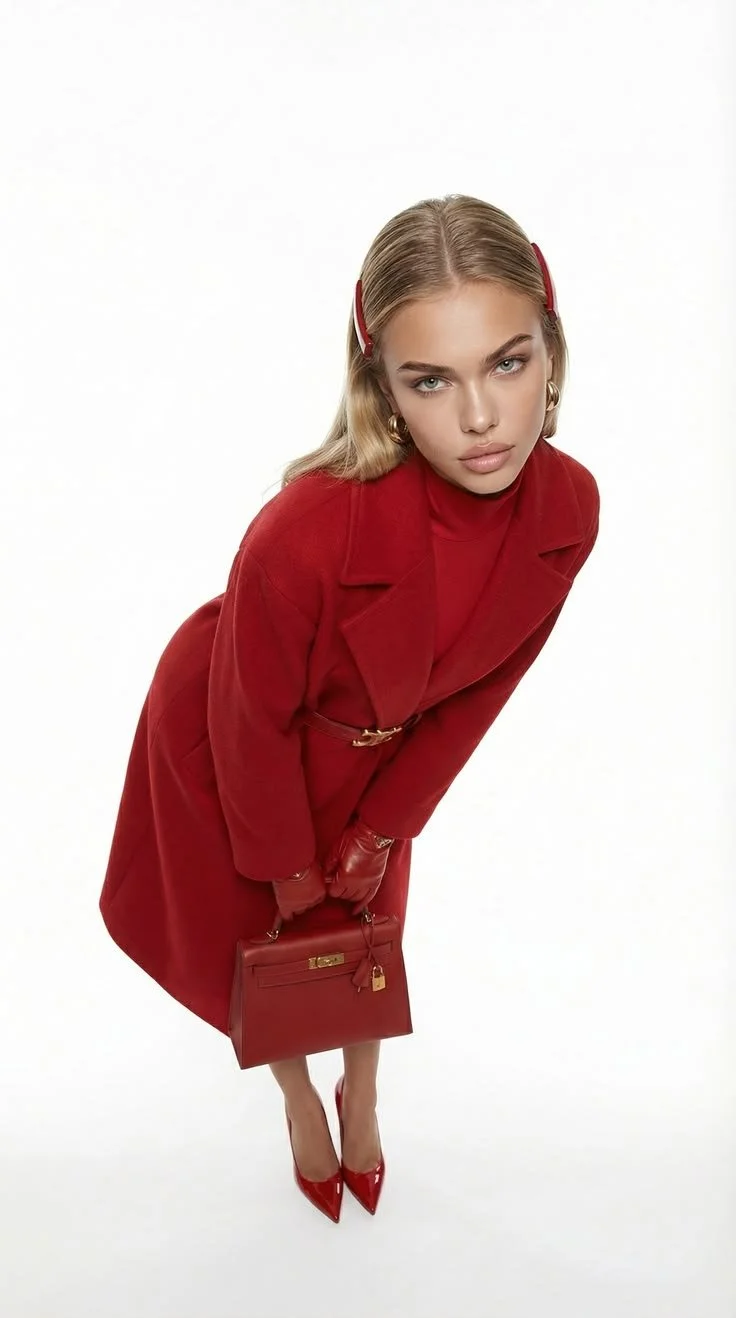
Your Desired Impression
You may hear me talk about how style is a way we tell the world our story on Instagram, and I truly believe that.
You can choose how you want to present yourself, what you want people to know about you. It’s important to have the knowledge to interpret that through our looks, because they tell a story one way or another.
Personal style is at the intersection of several things. A successful wardrobe is where all these aspects meet.
Your Preferences
What are you instinctively drawn towards – even if you can’t articulate why? How do you want to feel in an outfit? What do you want to see when you open your closet?
Just because something is ‘flattering’, it doesn’t mean you like it.
The MA Method: Looking Beyond the Obvious
My goal for all of my consultations is for my client to walk away with confidence and clarity. To do this, I look at a client from several perspectives.
I want to understand the woman behind the wardrobe first.
We look at her lifestyle and the realities of her day-to-day life. We consider her visual characteristics, her colouring, proportions, features and the elements that naturally create harmony. We look at her personality, preferences and the way she wants to express herself.
But the real work is in bringing all of these things together.
Because no single system can tell you everything about your personal style.
Colour analysis can tell you something important about colour. Proportion can tell you something about visual balance. Style systems can give you useful language for understanding certain elements of your appearance.
But personal style happens in the space between all of these things.
That is where interpretation comes in.
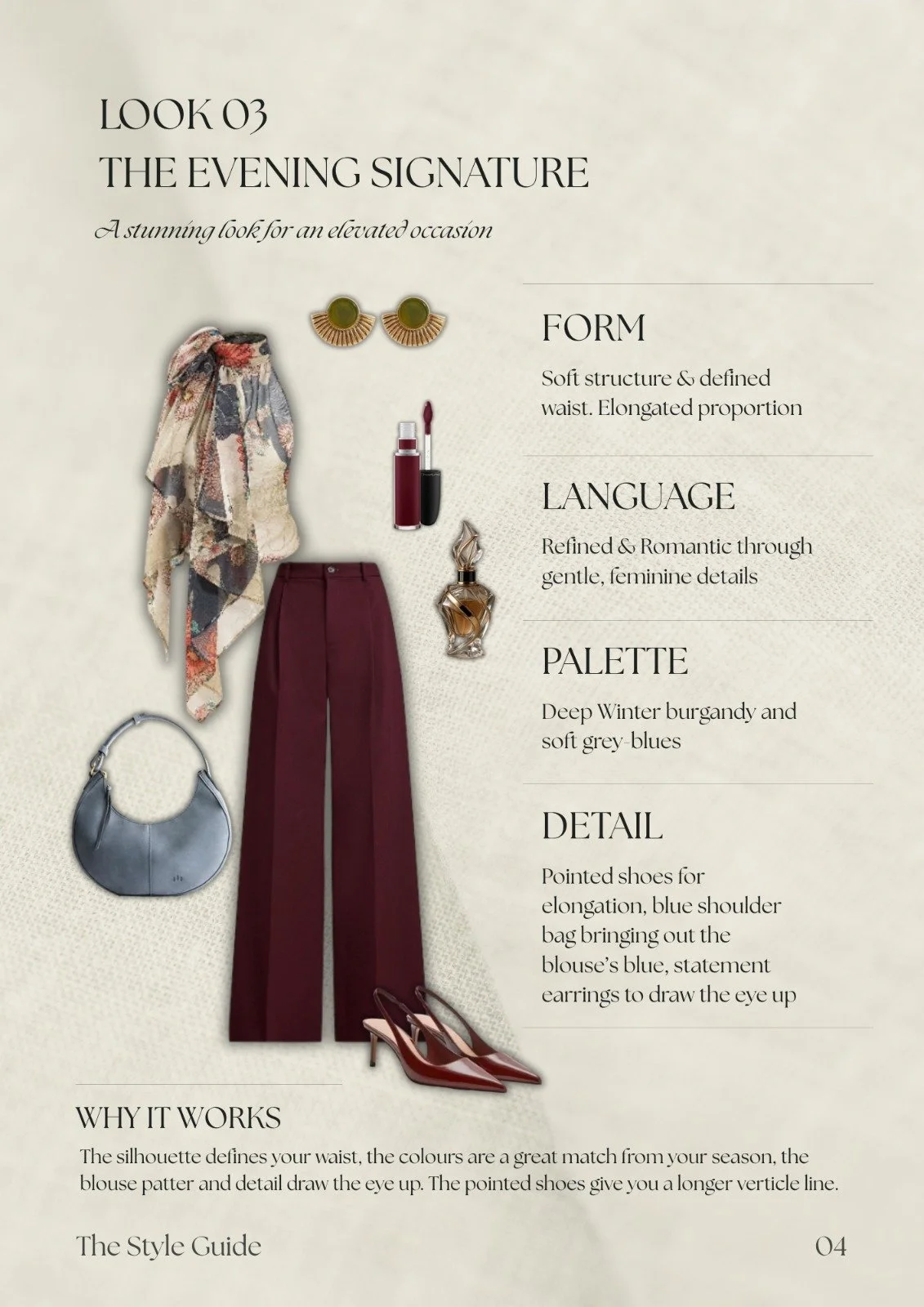
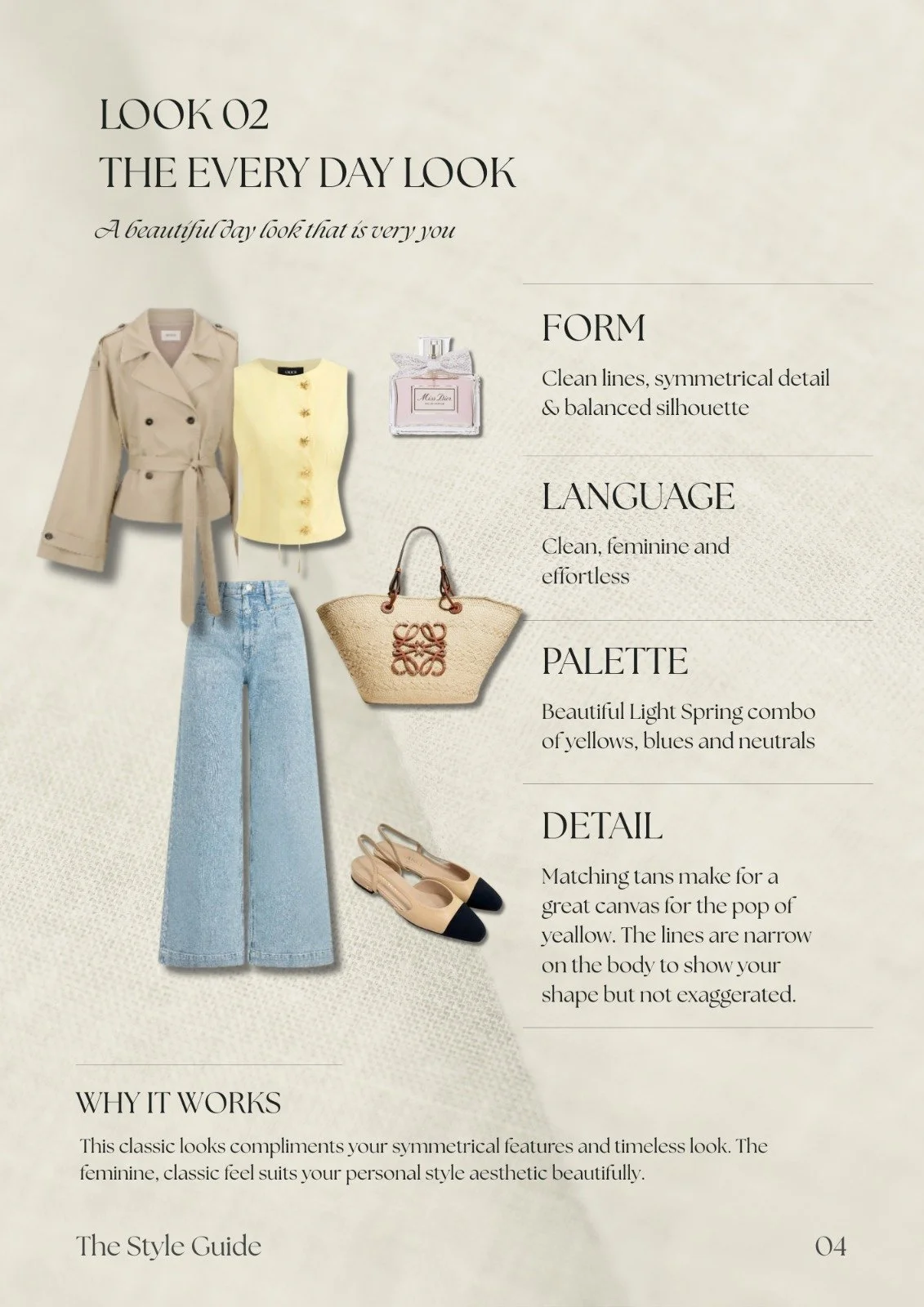
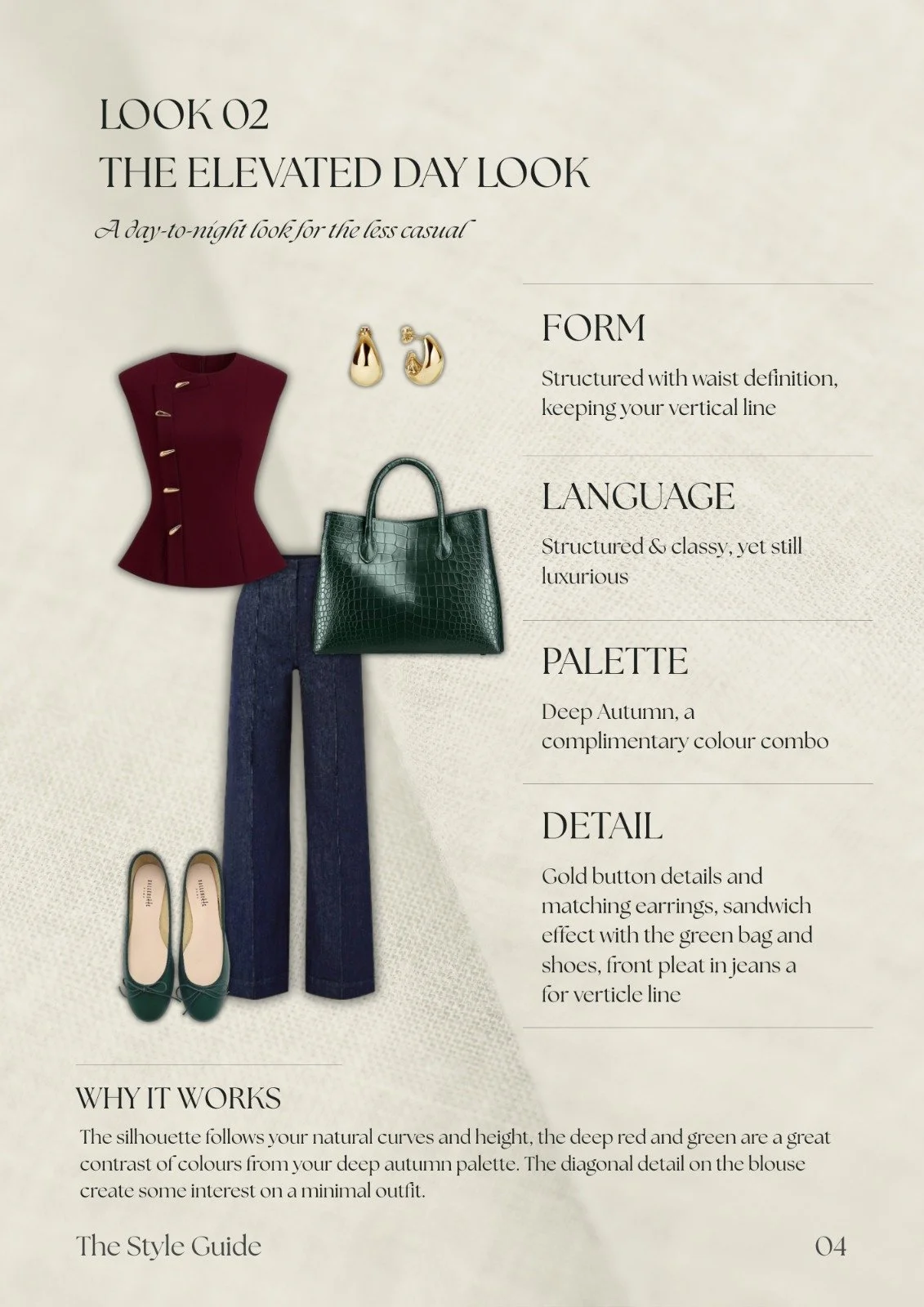
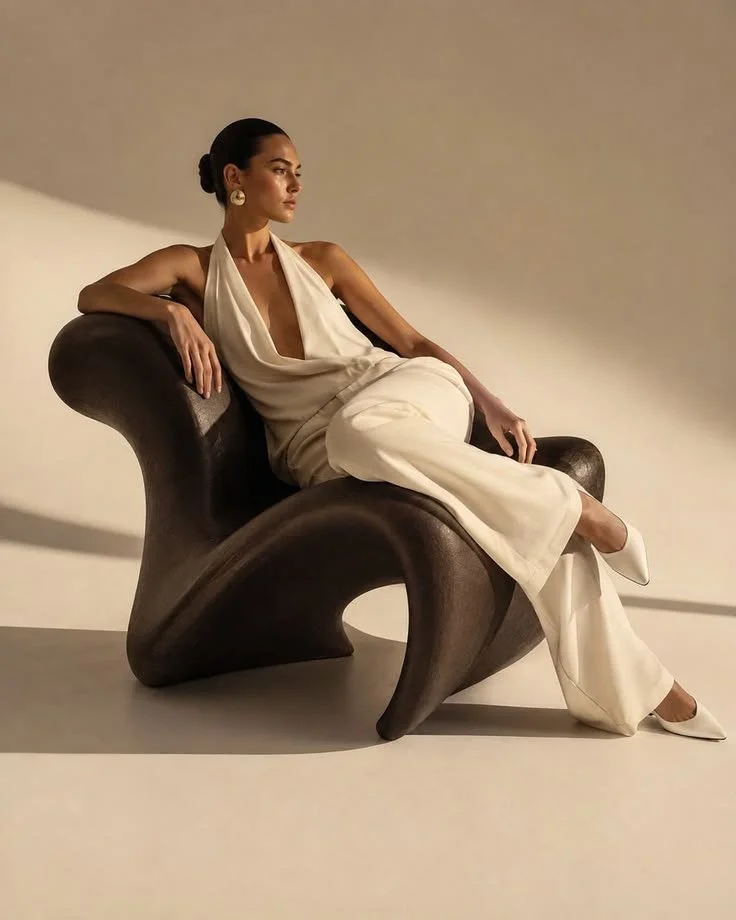
Images taken from Miss Analyst’s Style Guide - individually curated for each client
It is why two women can receive similar style advice and have completely different results. It is also why I don't believe in handing a client a list of rules and calling it personal styling.
The MA Method draws on established principles of colour analysis, proportion, style psychology, visual harmony and personality — but the real work happens in how those pieces are interpreted together.
A client's analysis may involve examining her lifestyle, proportions, colouring, style preferences, personality and the visual qualities she naturally responds to. But no single system gets to define her.
- The result isn't a label. It's a language.
What the MA Method Can Change
Some of the most common pain points I hear from clients:
(These are all true stories.)
“I don’t know what suits me.”
It leads to frustration, wasting money on shopping for the wrong things and sometimes feeling uncomfortable in your own body.
After a consultation considering her silhouettes, proportions and features, she not only understands what lines and fabrics suit her, but why. Once you know the reason, you can replicate it in any outfit throughout a lifetime.
“I have nothing to wear.”
This is possibly the most common one I hear. Getting ready in the morning becomes a chore, takes more effort than it should, and often we end up picking anything that is comfortable and feel defeated.
After we used my method to align her wardrobe with her lifestyle and discussed how to easily pair pieces together, she found getting ready in the morning easy, because it worked for what she needed to do that day and all the pieces worked well together.
“I want to wear colours, but I don’t know what suits me.”
She often received remarks that she looked tired that day, or even asked if she was feeling sick. She found shopping overwhelming and often just wore black, even though she didn’t want to.
After learning not only her colour season, but also the exact colours that worked with her features and how to pair them together, she can go straight into a shop and instead of spending an hour looking at everything, go straight to what will work for her. She’s also received compliments on how fresh she looks.
“I buy things and never wear them.”
She didn’t want to waste her money anymore and wanted to invest in a wardrobe that she would actually wear, not regret.
After understanding her personal style and what felt authentically her, her wardrobe now feels curated and ready-to-wear.
The MA Style Guide
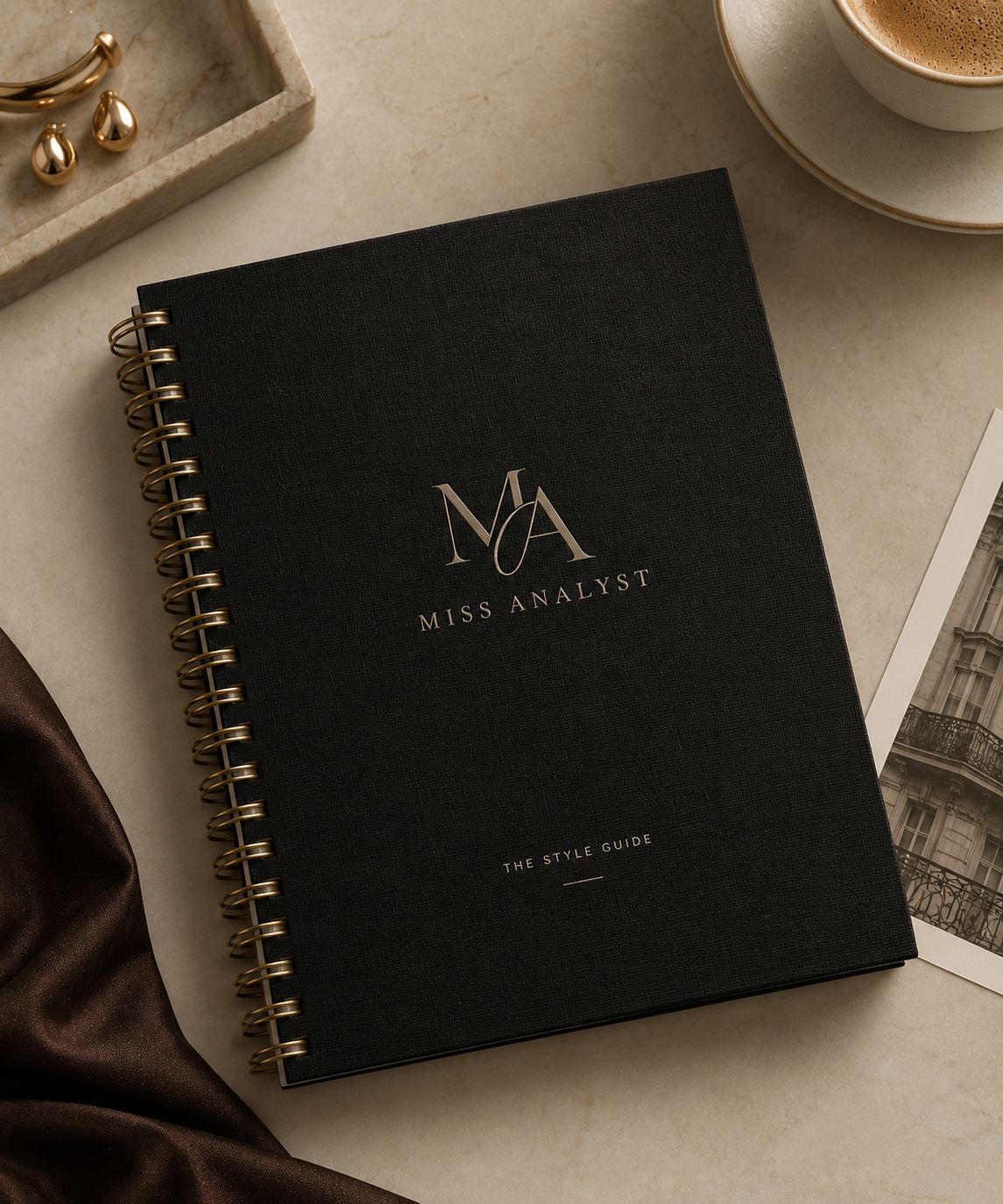
A consultation doesn’t simply end with a list full of advice. Instead, the client’s discoveries are brought together into something personal and usable.
Rather than leaving a client with a list of rules to remember, I translate the findings into a personal Style Guide — something she can return to when shopping, dressing, travelling or simply wondering what feels right.
It brings together the elements that make her style uniquely hers: her personal style language, colour direction, silhouettes and proportions, jewellery and beauty direction, signature details and practical outfit inspiration. It is not a set of rules to follow, but a reference point she can return to as her wardrobe evolves.
The Bigger Philosophy
Ultimately, I don't want a client to leave a Miss Analyst consultation thinking, “Now I know what I'm allowed to wear.”
I want her to leave thinking:
“Now I understand myself.”
The goal is not to depend on me or any stylist, but instead to know the formula, know yourself, understand why things work and become your own personal stylist.
That is what I believe the best personal styling should do: give you the knowledge and confidence to make your own decisions long after the consultation has ended.
Style, Understood.
In conclusion - personal style isn't a formula.
It isn't a list of trends, a body shape, a colour season or a shopping list. And it certainly isn't about becoming someone else. Instead, it's about understanding the person who is already there — and learning how to express her visually.
That's the MA Method.
Style, understood.
Be a part of the MA community. If you enjoyed this perspective on personal style, you can join The MA Edit — my private mailing list where I share new Journal pieces, observations on style, and occasional glimpses behind the work at Miss Analyst.
