The Art of Looking Expensive
What actually creates the impression of luxury — and why it has very little to do with wearing neutrals
There is a particular kind of outfit that makes you look twice. Not necessarily because it is dramatic or because you may recognise the designer. Not even because every piece looks particularly ‘expensive’.
There is simply something about it that feels considered. As if that woman knows what she’s doing when it comes to putting a look together. And none of it looks like effort.
The proportions are right. The fabric catches the light beautifully. The jewellery doesn't fight with the clothes. Nothing looks accidental, but nothing looks desperately constructed either.
Looking expensive has surprisingly little to do with how expensive your clothes are.
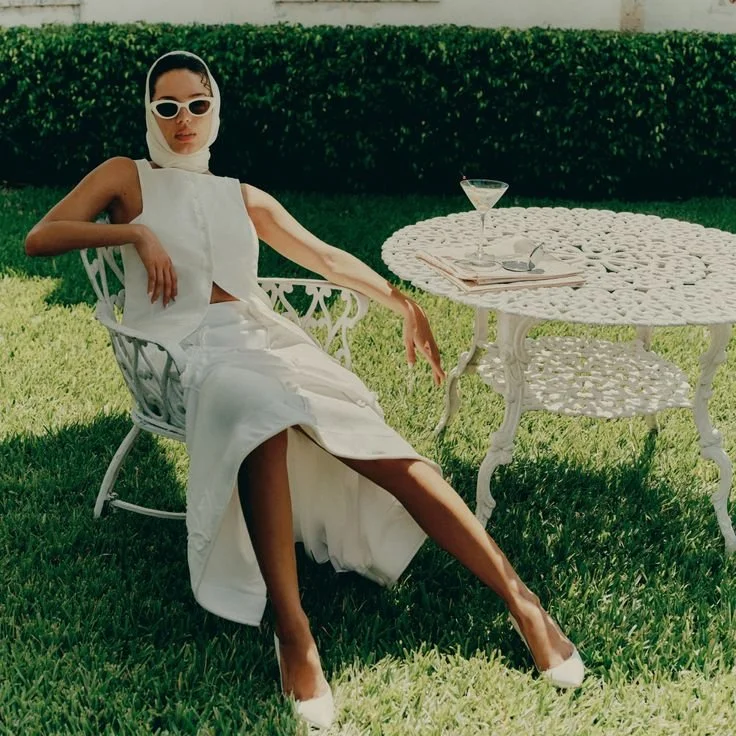
Instead, it has everything to do with how intentionally you wear them.
And I think we've become slightly obsessed with getting this wrong. Somewhere along the way, “looking expensive” became synonymous with beige trousers, a cream knit, a structured handbag and an insistence that everything should be quiet enough to whisper ‘old money’. As if expensive has a standard uniform.
But luxury has never been that simple.
A woman in a burgundy silk skirt can look extraordinarily expensive. So can a woman in leopard print. So can someone wearing turquoise, an enormous earring or a controversial shoe.
Because what we need to learn is that luxury, expensive or high-end isn’t about minimalism, neutrals and simple construction. It’s never been that simple. It’s so much more about looking intentional, where every piece looks like it was made for you. Not just your frame or features or complexion — but also your personality! When it’s just ‘so you’.
Why do people want to look expensive anyway?
For most of us, it’s never really been about looking like we own a lot of money. It’s more from the perception that quality = expensive. When wanting to look high-end or old money or whatever the new buzzword is, it stems from the idea that we want our garments to be and look of high quality. “Cheap” fabrics often stretch poorly, hang oddly and have considerable design flaws that often don’t flatter our form at all.
The truth of the matter is, too, that even clothes that are literally expensive aren’t always quality nowadays. You can find cheap polyester T-shirts for hundreds or thousands of dollars because you’re paying for the fat label smacked onto the front of it. So no matter how much money you have to spend or where you like to shop, putting together quality looks needs a certain eye and standard.
Start with the fabric
Before colour, accessories or the perfect handbag — notice the fabric.
A beautiful fabric has a way of revealing itself — it drapes differently. It holds its shape differently. It catches movement and light differently.
This doesn't mean everything needs to be silk, cashmere or some other expensive natural fibre or even all-natural materials (even though that’s what every article advises to look expensive). It means paying attention to how a fabric behaves.
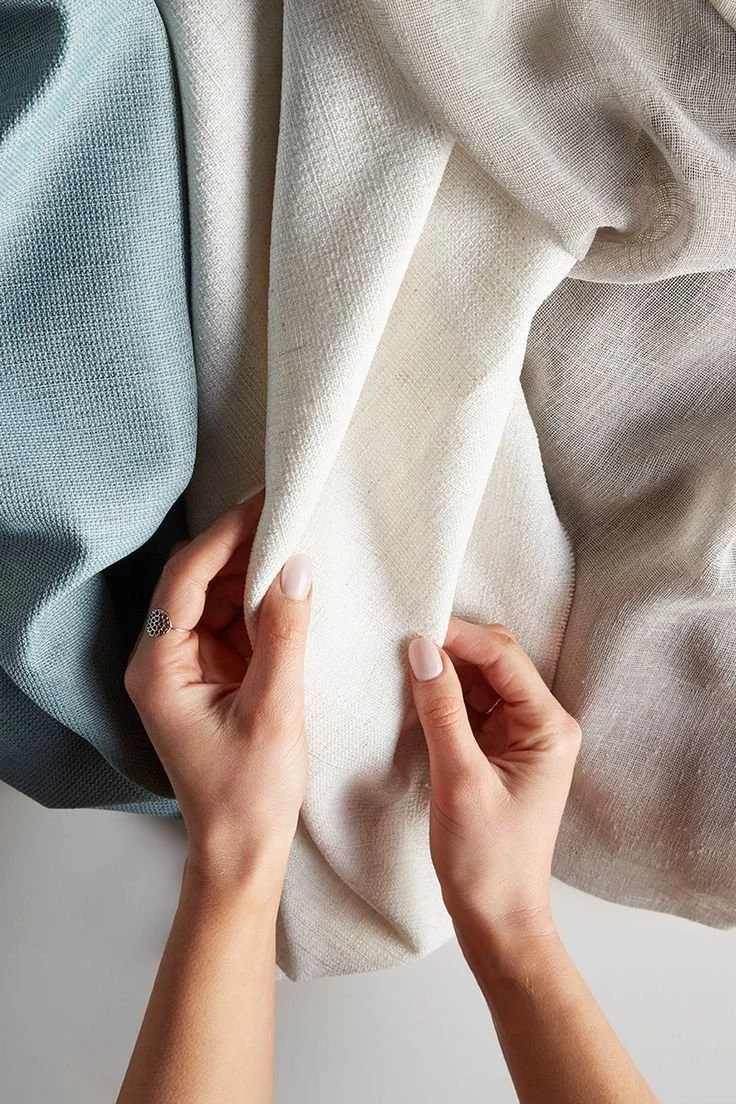
Does it collapse or bunch where it shouldn't?
Does it crease beautifully, or simply look rumpled?
Does it have enough weight to hold the silhouette?
Does it look thin and shiny in a way that makes the garment feel inexpensive?
A simple cotton shirt with beautiful structure can look considerably more luxurious than a heavily embellished garment made from poor fabric.
Luxury is often tactile before it is visual.
Go around some high-end stores and just take a look and feel the fabrics of their best pieces. Compare it with what you see and feel in a cheap 2nd T-shirt shop. When you train your eye to notice the weight, the thickness, the thread count, the stitching, the hem, the hang, the softness of good fabrics (even some well-made polyester), you can’t unsee it.
Fit is the quietest form of luxury
You can spend a fortune on a garment and still look as though you borrowed it.
Fit changes everything.
The shoulder sitting exactly where it should. A trouser falling cleanly from the hip — not bunching up in the crotch or rising when you walk. A sleeve ending at the right point — not even a centimetre too short. A jacket closing without pulling — that gaping in the bust? You deserve better. A skirt sitting properly against the body, skimming your frame.
None of these things are particularly ‘glamorous’ to talk about.
They are, however, extraordinarily effective for the overall look.
And this is where alterations can be more valuable than another shopping trip.
Sometimes the expensive-looking wardrobe isn't the one with better clothes but one where the clothes fit the woman wearing them. Going back to our point earlier — it needs to look like it was made for you.
Proportion is everything
This is perhaps the most overlooked part of looking polished and the hardest for some to learn.
An outfit can contain beautiful pieces and still feel slightly off because the relationship between them isn't working.
For example, a long, fluid skirt with a cropped jacket creates a very different line from that same skirt with an oversized blazer.
A voluminous trouser can look spectacular with a more fitted top — or equally spectacular with something oversized, if the proportions are deliberate.
The point isn't to make every outfit “balanced” in the conventional sense but instead to make the proportions intentional. When pairing more unique pieces together, I look in the mirror and ask myself if this looks like I accidentally paired these pieces together or does it look deliberate?
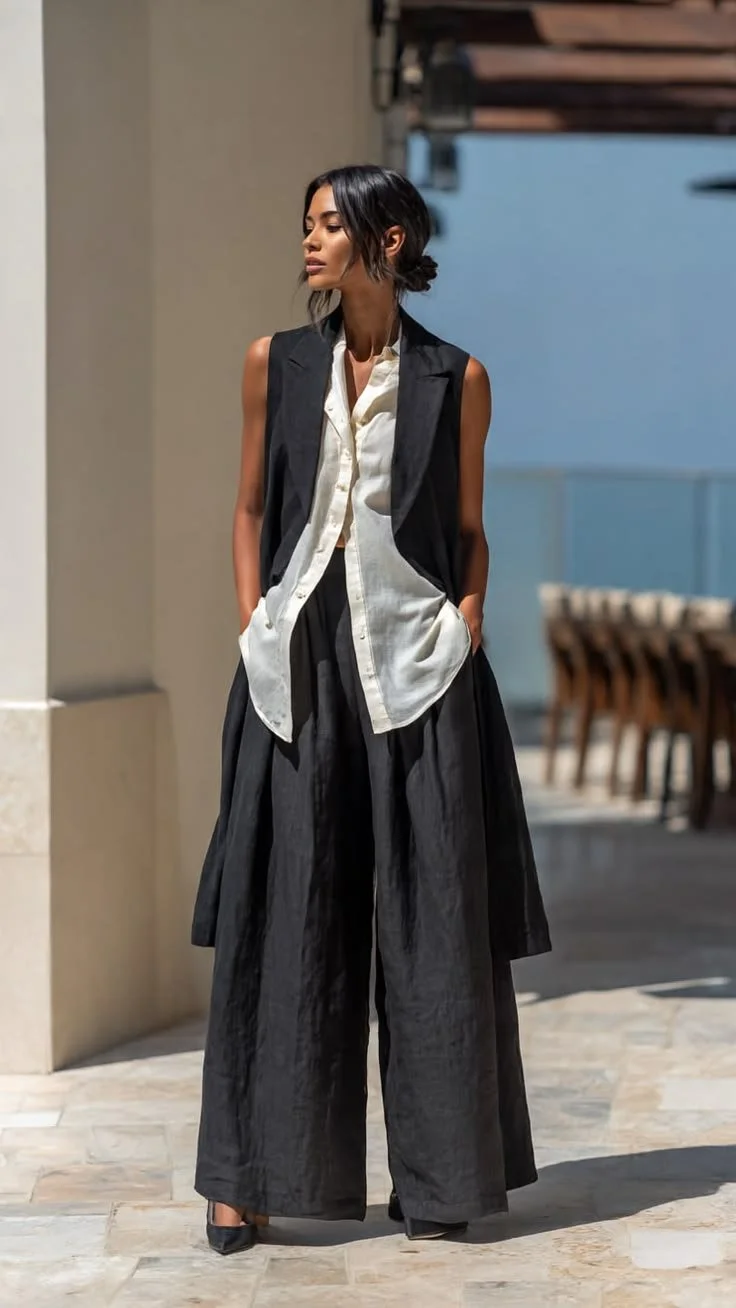
Think of an outfit almost as a composition:
Where is the volume & where are the cut-off points?
Where does the eye travel?
Where does the body appear to lengthen, widen, narrow or break?
What happens when you change the length of the jacket by three inches?
These tiny shifts can completely change the impression of an outfit.
And unlike a trend, proportion belongs to you. That’s when you really look like you know what you’re doing.
Colour doesn't have to be quiet
PSA: I'd like to officially retire the idea that luxury requires a neutral wardrobe. (Can we announce this Internet-wide?)
It doesn't.
In fact, sometimes colour is precisely what makes an outfit extraordinary.
The trick is not necessarily less colour. It is better relationships between colours.
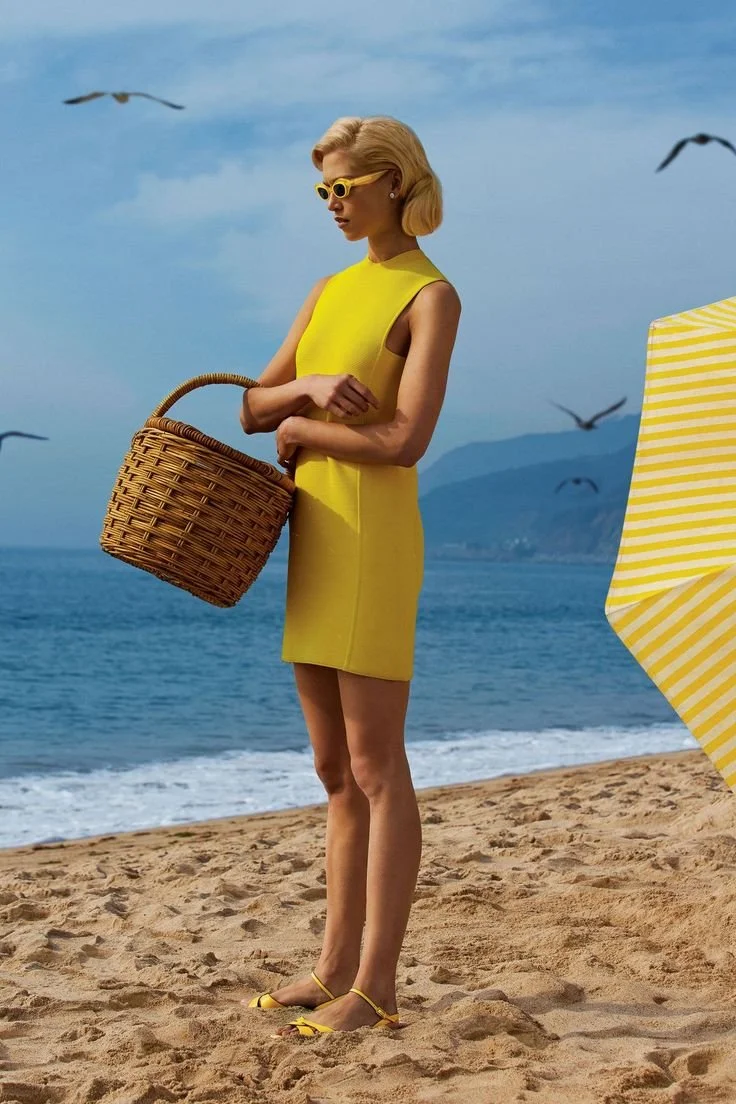
For example, look at nature. Deep burgundy flowers beside mossy green. Powder blue against warm brown. A vivid flower against its leaves. Terracotta, dusty pink and ochre in a landscape at sunset. Stunning.
Or look at art.
Painters have spent centuries understanding relationships between colour, contrast and intensity. There is no reason your wardrobe can't borrow from them. Take colour inspiration from The Kiss by Gustav Klimt or A Starry Night by Vincent van Gogh. So many colours, yet they work.
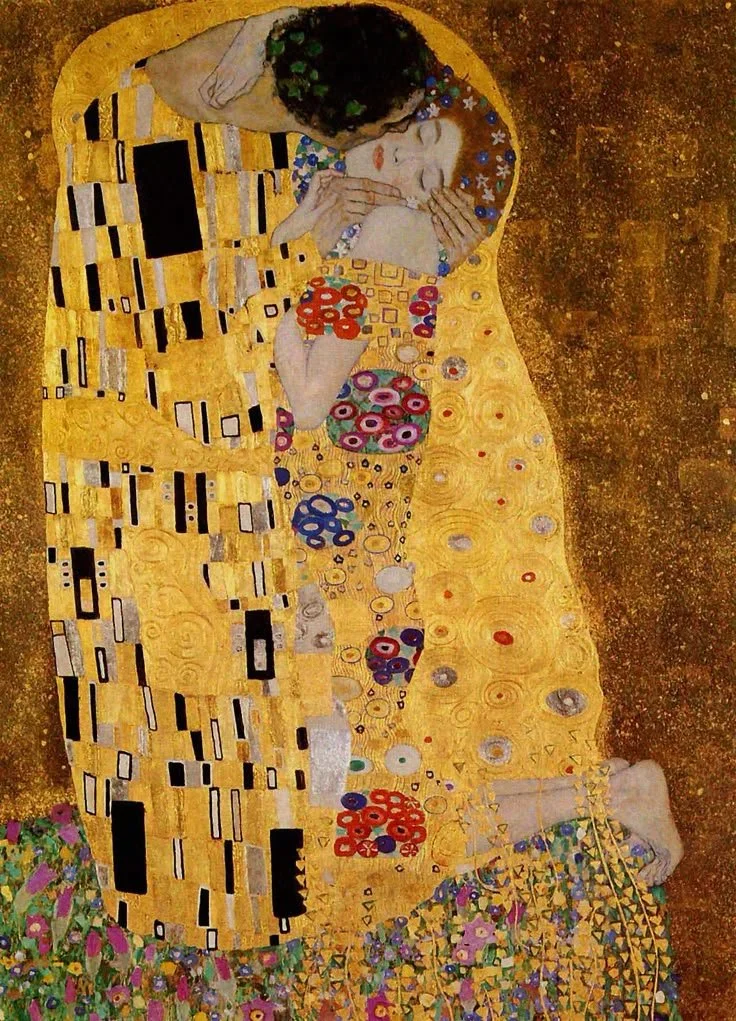
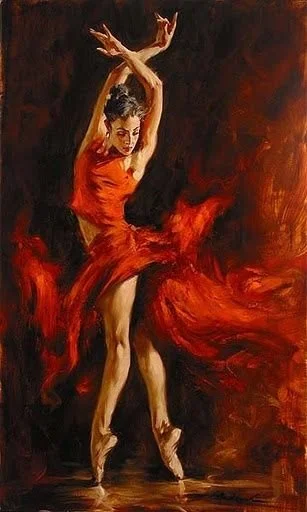

A woman who understands her colours can wear much more colour — because she understands what the colour is doing — and that is far more interesting than simply dressing head-to-toe in cream.
Then comes the finishing touches
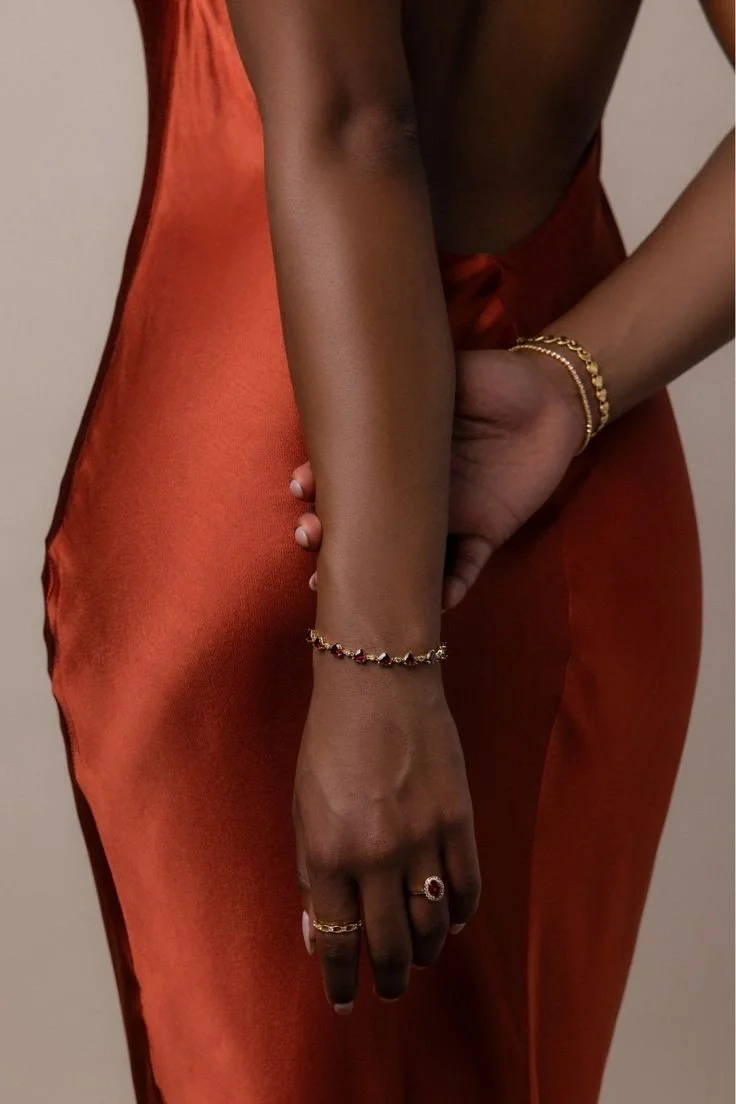
This is where accessories are pretty powerful.
The right one can complete the sentence, as it were.
Imagine a sculptural earring with a simple neckline, or a beautiful watch peeking from beneath a sleeve.
A belt that gives a loose silhouette its structure or a slightly unexpected shoe.
A brooch in your best metal or a perfect silk scarf or a ring that matches your eyes. You’d be surprised how many will compliment you on that last one.
Sometimes the accessory is the most memorable part of the outfit. And sometimes the most expensive-looking decision is knowing not to add another thing.
“There is a particular kind of elegance that comes from knowing when to stop.”
— Miss Analyst
Of course, that doesn't mean it must be minimalism. No, it just means editing.
There is a difference.
Give yourself something to look at
I must talk about statement pieces. I think too many are too afraid of them. I’ve heard previous generations use the word ‘gaudy’. It’s not about putting all the things on, it’s not even about wearing a statement for the sake of wearing a statement, to be brave. It’s about finding that artistic, stunning or unique piece that really suits you and creating a look around it. I mean, how fun is that?
Think: dramatic coats, an enormous pair of sunglasses, a jewel-toned shoe, an abstract bag or a piece of jewellery that is almost absurdly beautiful.
Obviously, you don't need a wardrobe full of them (or you do). But having one piece that makes you feel something can transform an otherwise ordinary outfit.
And sometimes that is exactly what looking expensive requires: a little conviction.
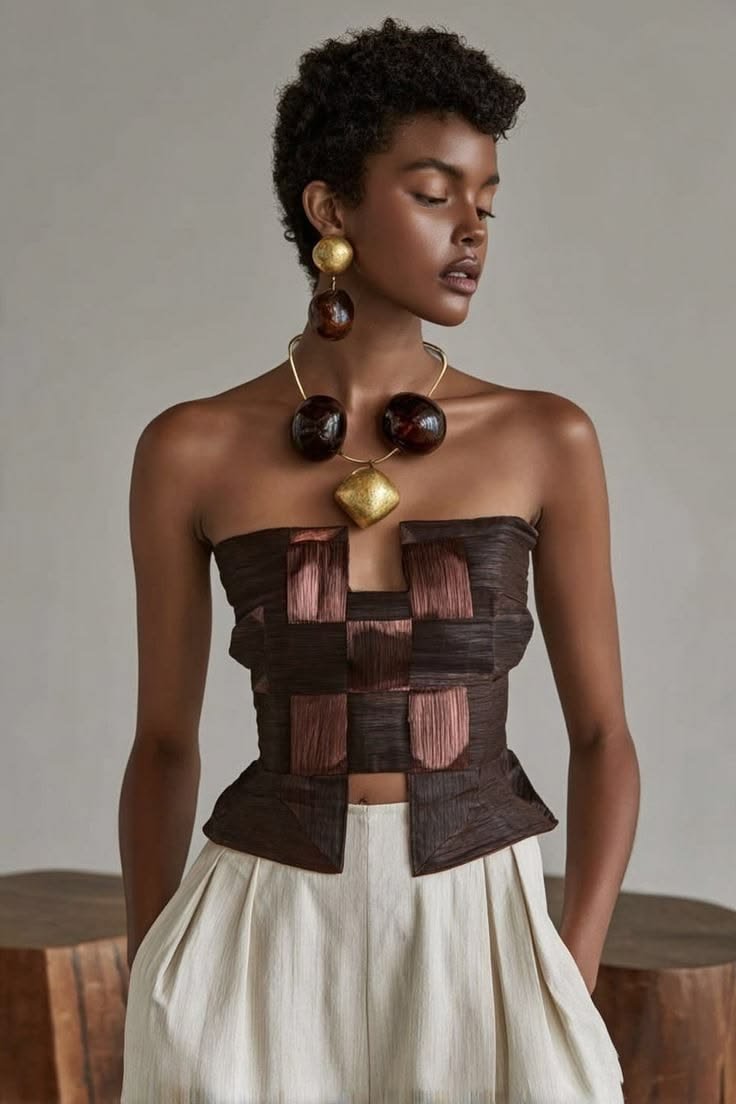

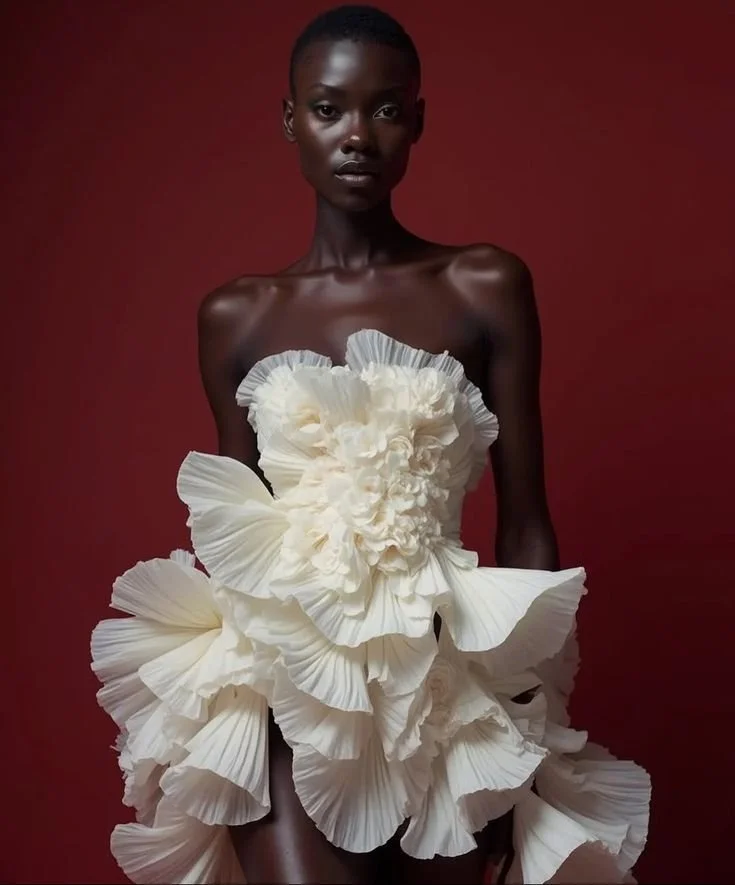
“The most memorable outfits aren't always the most elaborate. Sometimes it's the quietness of the choices that makes them compelling.”
— Miss Analyst
Class and drama aren't opposites when it comes to style. They can exist in the same outfit.
And perhaps the most important part: wear the clothes
There is something very difficult to manufacture about confidence in an outfit.
You can see when someone is wearing something because they think they should, and you can see when someone has decided that the clothes belong to them. That difference changes everything.
Perhaps this is why the most convincing outfits rarely follow a simple formula. They have personality. They match YOUR personality.
They might be elegant, eccentric, sensual, playful, dramatic, intellectual, romantic or slightly strange. At the very least, they tell you something about the woman wearing them. That’s what makes the best outfits and that’s what makes the wearer confident. When you feel like you, how can you not walk with your head held high?
Ultimately, looking expensive isn't really about looking wealthy. It is about looking intentional — understanding what suits you, knowing your proportions, recognising beautiful fabric, choosing colour — colours — with confidence. Paying attention to the small things. Allowing one extraordinary piece to have its moment.
And, occasionally, breaking every rule because you felt like it.
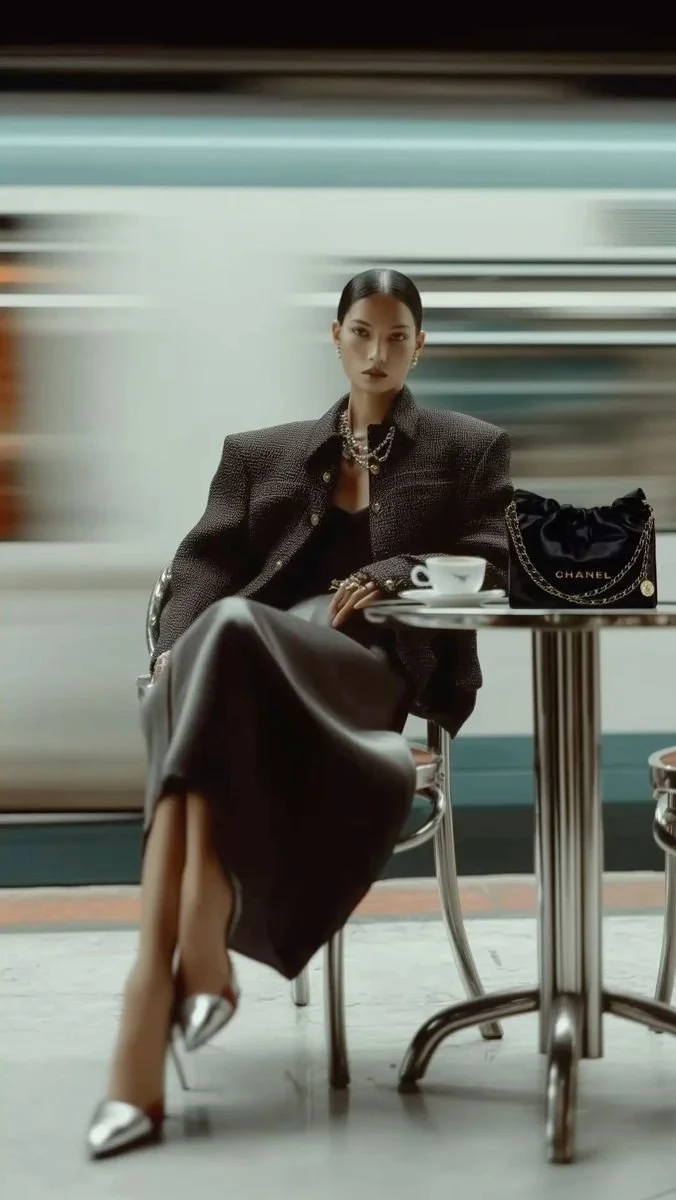
“The most convincing kind of luxury is rarely the one shouting for recognition.”
— Miss Analyst
The most expensive-looking woman in the room may not be wearing the most expensive clothes. She may simply be the woman who looks as though every choice was hers.
And that, to me, is the art of looking expensive.

Be a part of the MA community. If you enjoyed this perspective on personal style, you can join The MA Edit — my private mailing list where I share new Journal pieces, observations on style, and occasional glimpses behind the work at Miss Analyst.
